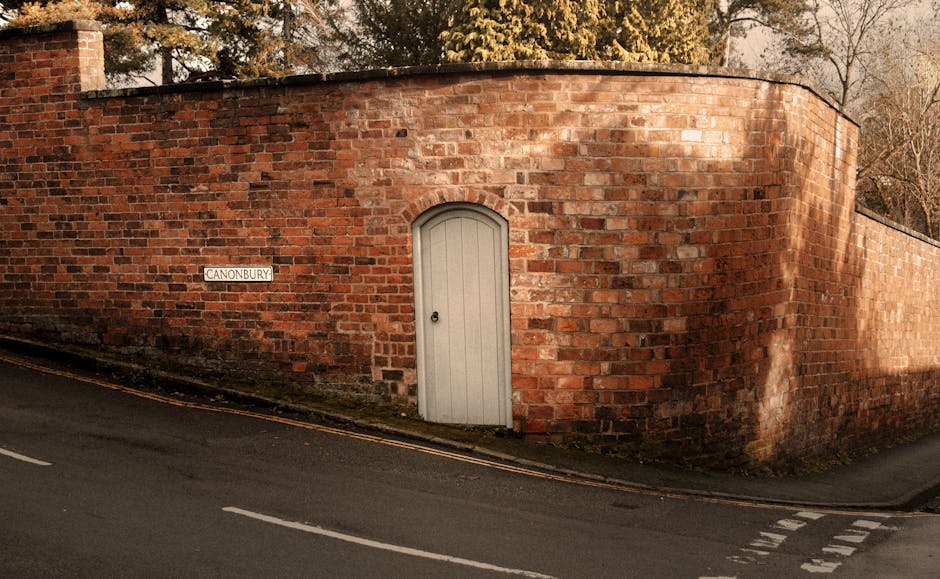
Canonbury gardeners for Islington estates and courtyards
Courtyards and estate gardens in Canonbury can look beautifully calm from the street, but anyone who manages them knows the reality: tight access, mixed planting, paving that traps debris, neighbours close by, and very little room for error. Good Canonbury gardeners for Islington estates and courtyards understand that these spaces need more than a quick tidy. They need a steady, thoughtful approach that keeps them safe, presentable, and genuinely usable all year round.
If you are responsible for a shared garden, a residential courtyard, or the outdoor areas around an Islington estate, the work is usually about balance. You want the place to feel cared for without looking overworked. You want standards to stay consistent, but you also need flexibility when weather, footfall, or seasonal growth changes the job. That is what this guide is for: a practical, no-nonsense look at how Canonbury gardeners support estate and courtyard spaces, what to expect, and how to choose the right level of service for the site in front of you.
For a fuller view of the available services, it can help to start with the services overview, then match the work to the space rather than forcing the space to fit a generic maintenance plan. Simple idea. Makes life easier. Usually saves money too.
Why Canonbury gardeners for Islington estates and courtyards Matters
Estate gardens and courtyards in Canonbury are rarely simple lawns with a bit of border. They tend to be shared spaces with hard landscaping, planted beds, bins or service access nearby, paving joints that collect weeds, and residents who notice when something slips. That makes consistency more important than glamour. A courtyard can look fine for a week after a one-off tidy, then lose its edge fast if routine maintenance is missing.
This is where local experience matters. Canonbury gardeners who regularly work across Islington estates understand the small details that change the whole result: how quickly moss comes back in shaded corners, how hedge growth can narrow a walkway almost overnight, and how a planting plan that looks good in spring can become messy by late summer if nobody is following it up. In our experience, the best work is the kind most people barely notice because everything simply keeps functioning.
It also matters because these areas are often used every day. Residents pass through with prams, delivery drivers need clear access, and management teams need the grounds to reflect well on the building. A neglected courtyard can make a smart estate feel tired. A well-kept one does the opposite. Quietly, and without shouting about it.
Expert summary: In shared outdoor spaces, the goal is not just tidy borders or a neat lawn. It is reliable presentation, safe access, and maintenance that holds up between visits.
How Canonbury gardeners for Islington estates and courtyards Works
The process is usually more structured than people expect. Good maintenance starts with understanding the site, not just sending someone out with a mower. A proper approach often begins with a walk-through of the courtyard or estate garden to identify access issues, high-use areas, seasonal pressure points, and any features that need special care, such as hedging, decking, or tree cover.
From there, a maintenance plan is shaped around the space. On one Canonbury estate, that might mean regular mowing and edging, hedge trimming at set intervals, leaf clearance in autumn, and periodic pruning to keep paths open. On another, it may be more about courtyard planting, pressure points around seating areas, and keeping hard surfaces free from weed growth and debris. Different sites, different rhythms. Sounds obvious, but it is where a lot of poor service begins.
If the space has become overcrowded, overgrown, or difficult to manage, a reset may be needed before ongoing visits can do their job properly. That is where garden clearance can be useful, especially when a courtyard has been left without attention for a while or seasonal growth has taken over.
Depending on the layout, the work may also include lawn care, hedge reduction, planting adjustments, and minor landscaping improvements. If the site needs a more complete refresh, you may also look at landscaping or landscape gardening where the aim is to improve both function and appearance rather than just maintaining what is already there.
What the work usually includes
- Regular mowing, edging, and tidy finishes where turf is present
- Hedge and shrub trimming to preserve clear sightlines and access
- Weed control in beds, paving joints, and planted borders
- Leaf clearance and seasonal cut-backs
- Pruning to keep plants healthy and controlled
- General tidying around paths, entrances, and communal corners
- Ad hoc clearance after storms, growth surges, or site events
The point is not to overcomplicate it. It is to keep the estate looking cared for without constant drama.
Key Benefits and Practical Advantages
There are obvious benefits, of course. But the less obvious ones often matter more in a busy estate setting. Clean, well-managed outdoor space can reduce complaints, improve first impressions for visitors, and make residents feel that the building is being looked after. That sounds soft, maybe, but it is real. People notice when a courtyard feels calm and maintained. They also notice when the bins are surrounded by nettles and the path is full of leaf mulch. No one needs a lecture on that.
Another major benefit is predictability. A shared space needs a rhythm. Once the maintenance schedule is settled, people know what to expect and when. That helps management teams plan around residents, deliveries, contractor access, and seasonal changes. It also prevents the all-too-common cycle of "ignore it until it looks awful, then panic."
There is also a financial angle. Regular upkeep often reduces the need for expensive remedial work later. Left too long, small problems become bigger ones: weeds push through paving, hedges get woody and harder to shape, grass thins in patches, and planting loses structure. It is cheaper to guide a space than to rescue it. Truth be told, most gardens prefer being nudged rather than shouted at.
| Benefit | What it means in practice | Why it matters for estates and courtyards |
|---|---|---|
| Consistency | Scheduled visits keep growth under control | Shared spaces stay presentable between resident traffic |
| Safety | Clear paths, tidy edges, reduced trip hazards | Important where many people use the same access routes |
| Value protection | Plants, lawns, and hard landscaping last longer | Prevents avoidable deterioration and reactive repairs |
| Better use of space | Courtyards feel more open and welcoming | Encourages residents to actually use the area |
| Lower stress | Less chasing, less guesswork, fewer emergencies | Useful for managing agents and estate teams |
Who This Is For and When It Makes Sense
This kind of service is a good fit for managing agents, resident associations, freeholders, landlords, block managers, and anyone responsible for communal outdoor areas in Canonbury or wider Islington. It also makes sense for housing developments with shared courtyards, small private estates, and properties where the garden is part of the identity of the building rather than an afterthought.
It is especially useful if you are dealing with one of these situations:
- The space looks tidy briefly after work, then declines fast
- Residents are complaining about weeds, leaves, or overgrowth
- Access routes are getting tight or messy
- There are mixed features to manage, such as lawn, beds, paving, and hedges
- The site needs a reliable contractor who can work around neighbours and access times
- You want a maintenance plan that is practical, not overdesigned
It also makes sense if the courtyard is small but visible. Small spaces can be strangely unforgiving. Every untidy corner shows. Every weed appears larger than it is. Every missed cut feels exaggerated. Not fair, but there it is.
If regular grass care is part of the picture, it may be worth exploring lawn mowing as a dedicated service, especially where shared turf areas need a reliable finish through the growing season. Where hedges are creating screening, privacy, or boundary structure, hedge trimming becomes one of the most important recurring tasks.
Step-by-Step Guidance
If you are planning or reviewing maintenance for an estate garden or courtyard, a sensible process helps a lot. Don't rush the decision just because the beds look wild this week. Start with the basics, then build from there.
- Assess the site honestly. Walk the space at a normal time of day. Look at entrances, corners, shaded areas, and paths. What is actually causing the mess?
- Separate cosmetic issues from structural ones. Some spaces need tidying. Others need rebalancing, pruning, or redesigning to stop recurring problems.
- List priority tasks. Think safety, access, and presentation first. Then seasonal jobs. Then improvements.
- Decide the frequency. Weekly, fortnightly, monthly, or seasonal visits depend on growth, resident use, and budget.
- Match tasks to specialists. For example, lawns, hedges, clearance, or tree work may each need a different emphasis.
- Agree communication and access. Shared spaces need clear arrangements for gates, timings, resident notices, and waste removal.
- Review after the first cycle. After a few visits, check what has worked and what still feels messy or overgrown.
A decent contractor will usually be happy to talk through the first few visits. That is not just polite, it is necessary. Gardens change with the weather, and estates change with use. A plan that worked in March may need adjusting by June, especially in a wet spring followed by warm growth.
If your site includes tree cover, safety checks, or awkward branches over paths, the right next step may be tree lopping and removal. That is not something to guess at. If a branch is affecting access or light, it should be treated properly and safely.
Expert Tips for Better Results
The best results in Canonbury courtyards come from a few simple habits. Nothing flashy. Just disciplined, consistent care.
Keep a seasonal mindset
Spring growth can be explosive. Summer is often about control. Autumn is about leaf management and preventing slip hazards. Winter may look quieter, but it is the time when structure matters most. If the garden only gets attention when it looks bad, you are always chasing it.
Protect the "edge zones"
The first places to look untidy are usually the edges: fence lines, path borders, drain covers, paving joints, and corners behind bins or seating. These areas need special attention because they collect debris and show neglect faster than open areas.
Use pruning for shape, not just size
It is easy to chop plants back just to make them smaller. Better to prune with a shape in mind. Courtyard planting often needs light, air, and a bit of breathing room, not a blunt haircut.
Choose calm, resilient planting where possible
If the courtyard is hard to access, go for planting that can cope with local conditions and does not demand constant rescue. Mixed planters, evergreen structure, and shade-tolerant species often work well in enclosed spaces. One dramatic plant is fine. Twelve dramatic plants can be a headache.
Make waste management part of the job
In tight communal areas, green waste can get in the way quickly. Plan how cuttings, clippings, and arisings will be removed or recycled. If a site is being reset or heavily cleared, the process may involve recycling and sustainability considerations as well, especially where green waste should be handled responsibly rather than just piled up.
If you want a steadier upkeep rhythm, consider pairing the regular visit with a broader garden maintenance plan so the site is looked after as one coherent space rather than a collection of chores.
Common Mistakes to Avoid
Most courtyard and estate garden problems are not dramatic disasters. They are small misses that build up. A skipped visit here, a poor cut there, and suddenly the whole site feels off.
- Waiting too long between visits. Overgrowth is harder to manage and usually costs more to correct.
- Treating all areas the same. A sunny lawn, a shaded border, and a paved courtyard do not need identical care.
- Ignoring access constraints. Narrow gates, shared entrances, and resident traffic need planning, not assumptions.
- Over-pruning hedges and shrubs. Cutting too hard can leave weak, patchy, or unattractive growth.
- Forgetting waste removal. A neat cut followed by leftover debris is not really a tidy job.
- Assuming one-off work will solve an ongoing maintenance problem. It rarely does.
- Choosing a plan that looks cheap on paper but weak in practice. That can become false economy very quickly.
And yes, sometimes the mistake is simply not walking the site after work is done. A five-minute check can catch a missed corner, a blocked drain, or a gate left awkwardly placed. Small thing. Big difference.
Tools, Resources and Recommendations
For estate and courtyard work, the most effective tools are often the simplest ones used well. A proper lawn mower, sharp hand tools, reliable hedge cutters, secateurs, rakes, blowers where appropriate, and sturdy waste bags or bins go a long way. The real skill is not in owning everything. It is in knowing what the site actually needs.
For more complex jobs, specialist equipment may be needed for stump or tree management, or for tidying larger planted areas after seasonal growth. But not every courtyard needs a machine-heavy approach. In fact, some of the best-looking spaces are maintained gently and often, with minimal disturbance.
From a planning point of view, these are the most useful resources to keep on hand:
- A simple site map or written notes for access points and problem areas
- A seasonal maintenance calendar
- A resident communication plan for noisy or access-sensitive work
- A record of recurring issues, such as drainage puddles or shaded moss build-up
- A budget split between routine maintenance and occasional restorative work
For practical decisions about scope and service structure, the services overview can help you understand how different tasks fit together. If you are comparing service levels or trying to set expectations before work begins, the pricing and quotes page is also a useful place to start.
Law, Compliance, Standards, or Best Practice
Estate and courtyard gardening is not usually the most heavily regulated work in the world, but that does not mean standards do not matter. In practice, good providers should work safely, respect access arrangements, manage waste appropriately, and avoid creating trip hazards or damage to communal areas. That is the baseline.
For shared residential sites, it is sensible to think in terms of best practice rather than assuming one universal rule covers everything. For example, work near access routes should be planned so residents are not put at unnecessary risk. Cuttings should not be left where they can become slippery. Tools should be used with care around hard surfaces, windows, and boundary features. That all sounds obvious. Yet that is usually where trouble begins.
You may also want reassurance on matters such as insurance, contractor safety, and payment security. Those are not just admin details. They affect trust and continuity. If you are reviewing a provider, it is worth checking the relevant information on insurance and safety, health and safety policy, and payment and security. For any broader company background, the about us page can also help you judge whether the service feels organised and accountable.
If something ever goes wrong, a clear complaints route matters too. It is one of those unglamorous things that tells you whether a company is serious. You can usually tell a lot from how a provider handles the boring bits.
Options, Methods, or Comparison Table
There is more than one way to care for a courtyard or estate garden. The right method depends on the site, the budget, and how visible the space is. Here is a simple comparison that may help.
| Approach | Best for | Strengths | Limitations |
|---|---|---|---|
| Basic tidy-up visits | Small sites needing regular presentation | Simple, affordable, quick to schedule | Does not solve deeper layout or planting issues |
| Routine maintenance plan | Shared courtyards and estates with ongoing use | Stable appearance, fewer surprises, better long-term control | Needs consistency and good communication |
| Clearance plus maintenance | Overgrown or neglected spaces | Resets the garden, then keeps it manageable | More initial disruption, sometimes higher first cost |
| Maintenance with landscaping improvements | Sites needing structural change or better usability | Can improve both function and appearance | Requires planning and a stronger brief |
For example, if a courtyard has become awkward to move through because shrubs are too dense and the paving edges are messy, a clearance-first approach may be smarter than simply asking for more frequent tidying. On the other hand, if the site is already neat but just needs regular attention, a maintenance-led schedule is probably the better fit.
And if the garden includes decking or a raised seating area, it can be sensible to look at decking services alongside general care. Surfaces and planting tend to age together. Best to keep them in step.
Case Study or Real-World Example
Picture a modest Canonbury courtyard behind a residential block. It is not huge, but it is visible from several flats and used daily by residents. Over time, the planting has spread into the path edges, a hedge line has grown uneven, and leaves gather near the corner where the bins are kept. Nothing disastrous. Just enough to make the space feel tired.
The first visit focuses on a reset. The paths are cleared, the hedge is trimmed back to a proper line, weeds are removed from paving joints, and the planting is thinned so it has room to breathe. A few overgrown stems are taken out. Not hacked, just shaped. The result is immediate: the courtyard feels wider, lighter, and cleaner even though not much has changed structurally.
The second phase is simpler. A routine schedule is set up with regular checks for leaf fall, grass edges, and hedge regrowth. The bin corner gets extra attention because it always catches debris. Residents stop reporting the same little complaints because the space stays under control. Funny how that works. It is not magic. It is cadence.
That is often the real difference with Canonbury gardeners for Islington estates and courtyards. Not a flashy before-and-after moment, but a steady improvement that holds. And that, for most managers, is exactly the point.
Practical Checklist
Use this checklist when reviewing a courtyard or estate garden maintenance plan.
- Have you walked the whole site, not just the obvious areas?
- Do you know which parts need weekly, fortnightly, monthly, or seasonal attention?
- Are access points, gates, and resident timings clearly agreed?
- Have safety risks such as slippery paths, overhanging branches, or blocked sightlines been noted?
- Is there a plan for waste removal and green recycling?
- Have lawn, hedge, pruning, and clearance tasks been separated clearly?
- Does the maintenance plan reflect the actual use of the space?
- Is there a review point after the first few visits?
- Have insurance, safety, and payment arrangements been checked?
- Do you have a sensible route for escalation if something is missed?
If you can tick most of those off, you are in a much stronger position. If not, that is fine too. Better to spot the gaps early than to pretend they are not there.
Conclusion
Canonbury gardens and Islington courtyards reward regular, thoughtful care. They are not usually spaces that need dramatic intervention; they need people who understand how shared outdoor areas actually work day to day. Clear access. Reliable rhythm. Good judgement. A bit of patience. All the practical things, really.
When the maintenance is done well, the space feels calmer, cleaner, and easier to use. Residents notice, even if they do not say much about it. Management teams notice too, because the constant small worries ease off. That is the quiet value of a well-run courtyard or estate garden. It simply makes everything feel more in order.
If you are planning work now or reviewing a current arrangement, the safest next step is to define what the space needs most, then build the maintenance around that. That way the garden stays livable, not just passably neat. Small difference, but an important one.
Get a free quote today and see how much you can save.
Sometimes the best outdoor spaces are the ones that feel effortless. Behind the scenes, of course, they never are - but that is the beauty of good garden care.
Frequently Asked Questions
What do Canonbury gardeners for Islington estates and courtyards usually look after?
They typically manage shared outdoor areas such as lawns, beds, hedges, paved courtyards, entrances, and seasonal tidy-ups. In many cases, the work also includes leaf clearance, pruning, weed control, and keeping access routes clear.
How often should an estate courtyard be maintained?
That depends on the size of the site, the amount of planting, and how much foot traffic it gets. Some courtyards need weekly attention in peak growing periods, while others are fine on a fortnightly or monthly cycle with seasonal cut-backs.
Is a one-off tidy enough for a shared courtyard?
Usually not for long. A one-off visit can reset the space, but shared gardens tend to drift back quickly without routine care. A maintenance plan is normally the better long-term option.
What if the courtyard is very small?
Small courtyards often need more careful handling, not less. Tight spaces show mess quickly, and access can be awkward. The right approach is usually light, regular maintenance rather than heavy intervention.
Do estate gardens need different care from private gardens?
Yes, in practice they often do. Shared spaces need more attention to access, resident safety, waste handling, and consistency. They also tend to have more varied surfaces and more people using them every day.
Can gardeners help if the space is overgrown or neglected?
Yes. In that situation, a clearance-first approach is often the sensible starting point. Once the space is under control again, routine maintenance becomes much easier and more cost-effective.
How do I choose between maintenance and landscaping?
If the garden is already functioning well and just needs regular care, maintenance is enough. If the layout, planting, or usability needs improving, landscaping or landscape gardening may be a better fit.
What should I ask before booking a contractor?
Ask how they handle access, waste removal, safety, timing, and recurring issues. It also helps to ask what happens after the first visit if the site needs adjustment. A clear answer usually tells you a lot.
Are hedges and trees part of the same service?
Sometimes they are, but not always in the same way. Hedge trimming is often a regular maintenance task, while tree work may need a more specialist approach depending on size, location, and access.
How do I know if a quote is fair?
A fair quote should match the actual site conditions, not just the headline size of the garden. The amount of work, access difficulty, waste removal, and frequency all matter. If something is unclear, ask for it to be broken down.
What makes a good gardener for an Islington estate?
Reliability, good communication, and an understanding of communal spaces matter most. You want someone who notices detail, works tidily, respects residents, and keeps the space in good order without unnecessary fuss.
Where can I find more information about services and policies?
A useful place to begin is the services overview. If you want reassurance on company background or standards, the about us and policy pages are also worth reviewing before you make a decision.