Garden Maintenance in Islington

Garden maintenance in Islington needs to be practical, tidy and suited to the way outdoor spaces are actually used. Our service focuses on regular care for front gardens, back gardens and shared outdoor areas, helping beds, lawns, hedges and borders stay manageable throughout the year. If you want a reliable routine rather than a one-off tidy-up, we can shape the work around the condition of the garden and the level of upkeep it needs.
We handle the everyday tasks that keep a garden looking cared for: mowing, edging, weeding, pruning, leaf clearance and seasonal tidying. Where planting is already established, we can also keep an eye on dead growth, overlong stems and areas that are beginning to look untidy. The aim is straightforward garden maintenance that preserves what is already there while making the space easier to use and enjoy.
If you are planning work and want a clear idea of scope, start with a brief note of the garden size and the type of care it needs, then request a quotation when you are ready. A quick outline of the current condition is usually enough to begin.
Routine care for lawns, borders and planting areas
Regular garden maintenance is often less about major change and more about keeping growth in proportion. Lawns benefit from mowing at the right frequency, while borders need weeding and light shaping so that desired plants are not crowded out. In many gardens, the most visible improvement comes from a combination of small tasks carried out consistently rather than from any single large intervention. That is especially true where space is limited and every part of the garden is visible from the house.
We can maintain a neat finish across different parts of the garden without turning it into a stripped-back space. Trimming around paths and edges, clearing debris from hard surfaces, and keeping soil lines visible all make the area feel cared for. When a garden has mixed planting, the work needs a careful hand so that useful growth is retained and only overextended or damaged material is removed. Our services overview gives a simple route to the wider range of outdoor work we provide.
Typical maintenance visits may include:
- grass cutting and edging
- border weeding and light tidying
- deadheading and removal of spent growth
- leaf clearance and general debris removal
- basic pruning where seasonal timing is suitable
How we approach a maintained garden

A maintained garden works best when each part supports the next. A lawn looks better when the edges are clean; beds look better when weeds are cleared before they seed; paths feel safer when leaves and clippings are removed promptly. Rather than treating each task as separate, we look at the overall condition of the outdoor space and carry out the most useful work in a sensible order. That keeps the result balanced and reduces the chance of untidy patches being left behind.
Some gardens need a light visit to restore order, while others benefit from a fuller schedule. Where growth is vigorous, a maintenance plan may need more frequent attention during the growing season and less during quieter periods. We can also work around access issues, plant sensitivity and the layout of the garden, especially where a narrow side passage, steps or multiple levels make movement more awkward. Garden maintenance details can help if you want to focus on the main service page before choosing a next step.
Good maintenance is often about timing as much as effort. Cutting back too much at the wrong moment can affect flowering or shape, while leaving jobs too long can mean extra recovery work later. Careful maintenance respects the existing structure of the garden and keeps the workload sensible from visit to visit.
Hedges, shrubs and tidy structural growth
Where hedges and shrubs dominate the garden, maintenance has a stronger structural element. Neat trimming helps keep outlines controlled, prevents branches from spilling into paths and stops planting from overshadowing smaller features. In front gardens, a well-kept hedge can preserve openness and visibility, while in rear gardens it can provide privacy without becoming difficult to manage. We can trim to the shape already intended for the planting rather than forcing it into an unsuitable form.
Pruning and trimming are different tasks, and it helps to treat them that way. Light trimming is often suitable for regular maintenance, while more considered pruning may be needed for woody shrubs or plants that have begun to lose their shape. If the growth is dense, we may need to work in stages so that the result remains balanced. Hedge trimming is a useful page if hedges are the main concern in your garden.
For many properties, the best result comes from keeping the structure simple: strong outlines, visible paths and enough breathing room for planting to develop naturally. That approach works well in compact urban gardens, where clutter can quickly make the space feel smaller than it is.
Lawns that stay manageable through the seasons

Lawns are often the most visible part of a garden, so they deserve regular attention. Mowing, strimming and edging combine to create a finish that looks deliberate rather than hurried. On uneven lawns, care is needed around borders, ornaments and tighter corners, where a machine alone may not achieve a clean result. Maintenance also includes removing cuttings when necessary so that the surface does not become matted or uneven.
Seasonal changes affect lawn care in a simple but important way. Growth tends to move quickly in milder periods and slow down when conditions are colder or drier, which means the approach needs to remain flexible. We can also help keep the edges clear where grass begins to creep into beds, paving or gravel. Lawn mowing is a practical choice if the main need is repeated grass cutting as part of a regular outdoor care plan.
Where a lawn is only one part of a mixed garden, it is usually best handled alongside weeding, border care and general tidying. That way, the whole space progresses together instead of one section looking neat while the rest is left behind. If you prefer a simple routine, we can keep the work focused and consistent.
Keeping the wider garden clear and workable
General garden maintenance often includes more than plants. Fallen leaves, broken stems, small piles of clippings and unwanted growth can build up surprisingly quickly, especially after a windy spell or a period of active growth. Clearing those materials is part of what makes a garden feel usable. It also reduces the chance of paths becoming slippery or planting being hidden beneath debris. A tidy outdoor space usually starts with removing what no longer belongs there.
We can combine light clearance with the normal maintenance work so that the garden is left in a coherent condition rather than with several unfinished piles or cuttings awaiting attention. If the garden contains an awkward back corner, a narrow run beside the house or areas with limited access, the work can still be organised carefully. Garden clearance is available for situations where the task is less about routine upkeep and more about removing an excessive amount of unwanted material.
For properties that are occupied all year, this practical approach is often the simplest way to stay on top of things. It keeps the space useable for family life, makes outdoor surfaces easier to cross and prevents small issues from becoming larger jobs.
What a quotation usually depends on
Garden maintenance quotations are normally shaped by the size of the space, the amount of growth present and the type of work needed. A compact garden with a simple lawn and a few borders is not the same as a layered space with hedging, mature shrubs and several surfaces to clear. The condition of the garden matters too: a lightly overgrown patch will need a different level of attention from one that has been left for a longer period.
To help with a quotation, it is useful to describe the main areas that need attention and whether you want one visit or a repeating arrangement. Photographs can also help show the overall layout, access points and the level of growth. If you are comparing options, our pricing and quotes page is a sensible place to start. Clear information leads to a clearer proposal.
Before asking for a price, it can help to note whether the garden has lawns, hedges, raised beds, paving or mixed planting, because each element affects the amount of work involved. Once those basics are known, the quotation can reflect the job more accurately.
About Islington
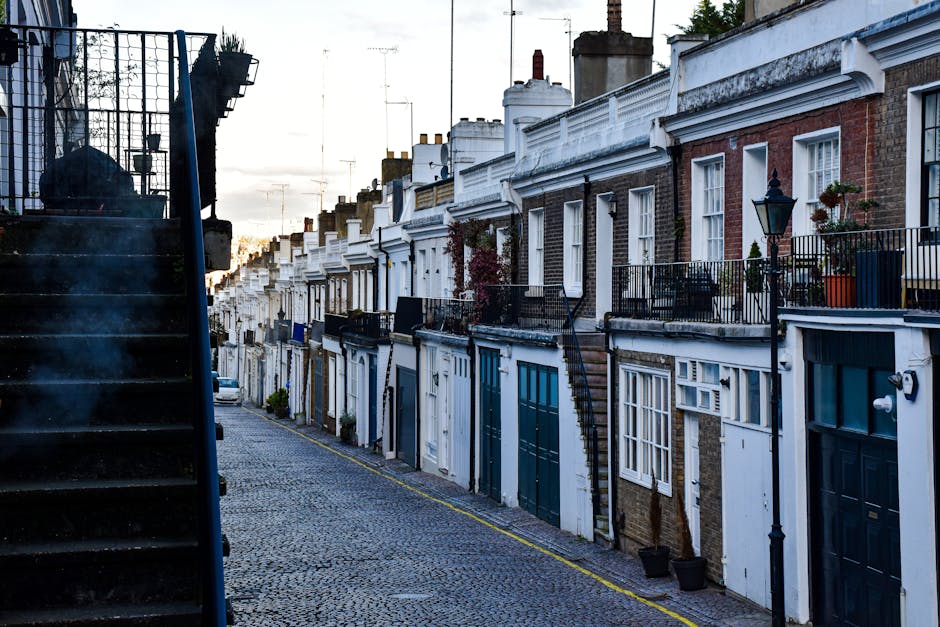
Islington is an Inner London district known for its compact street pattern, Georgian and Victorian terraces, and a long history of urban development that has left the area with a dense mixture of residential, commercial and civic buildings. The borough includes neighbourhoods such as Angel, Highbury, Canonbury, Barnsbury and Clerkenwell’s northern edges, each with its own character and building patterns. Much of Islington’s housing stock reflects 19th-century expansion, and conservation areas help preserve long rows of period facades, stucco fronts and garden squares. The area is also closely associated with the Regent’s Canal, which runs along its southern edge and links towpaths, basins and waterside landmarks into a distinctive urban landscape. Cultural life in Islington is varied and well established, with theatres, music venues, pubs, libraries and community spaces contributing to a busy local atmosphere. The Business Design Centre, housed in a former agricultural hall, is one of the district’s best-known commercial buildings, while Upper Street and Essex Road provide a prominent retail and dining corridor. Green spaces are part of the local identity too: Highbury Fields is among the larger open spaces, while smaller squares and landscaped pockets appear across the borough. Together, these features give Islington a setting that combines tightly built streets with visible traces of earlier London expansion and pockets of public greenery.
Decking and landscape work for more involved outdoor changes

Some gardens need more than routine care. Where the layout is awkward, surfaces are worn or planting has outgrown the available space, it may make sense to consider wider improvements alongside maintenance. Decking can help define a level seating or walking area, while broader landscaping can reorganise the garden so that planting, circulation and usable space feel better balanced. These are different types of work from simple upkeep, but they can sit naturally beside it when a garden needs both order and redesign.
We approach this kind of work carefully, with attention to how the finished garden will be used rather than only how it will look on the day of completion. Ground levels, borders, transitions between hard and soft surfaces, and the relationship between existing features all matter. Decking services may be useful if you are considering a new surface or a defined outdoor area within the garden.
Where a project includes changes to planting structure or overall layout, it is worth being clear about the parts of the garden you want to keep and the parts you want to change. That makes it easier to plan work in a practical order and to avoid unnecessary removal of useful features.
Planning maintenance around access, timing and condition
Good garden maintenance depends on sensible planning. Access matters because tools, waste and cuttings all need to move through the space without causing damage or disruption. Timing matters because some plants are better trimmed at particular points in the season, while lawns and borders may need different levels of attention depending on recent weather. Condition matters too, because a garden that has been left for a long time may need restoration work before regular upkeep can begin.
If you are arranging the first visit, it helps to say whether the garden is front, rear or shared, and whether there are any narrow entrances, steps or protective surfaces that need care. A concise description of what looks most urgent can also guide the order of work. Contact us when you are ready to talk through the garden and what it needs.
For the smoothest start, a short summary is often enough: the size of the garden, the main tasks, and whether you want a one-off tidy or ongoing maintenance. From there, the work can be matched to the garden itself rather than forced into a fixed pattern.
Regular upkeep for homes, shared spaces and small commercial grounds
Garden maintenance is often required in places where a tidy outdoor impression matters just as much as practical use. That can include private homes, shared entrances, rental properties, managed gardens and modest commercial grounds. The underlying tasks are similar, but the emphasis may differ: some spaces need presentation, others need durability, and some need both. We can keep the work focused on the parts that are most visible or most likely to become troublesome if neglected.
A sensible maintenance routine can reduce the amount of reactive work later in the season. Clearing leaves before they build up, controlling hedge growth before it spills over and dealing with weeds before they spread all contribute to a garden that remains manageable. If you want a single point of reference for broader outdoor care, landscape gardening may be a helpful page to review alongside routine maintenance.
When you are ready to move forward, tell us what type of garden you have and what you want improved first. Then ask for a quotation and we can shape the work around the space, the season and the level of upkeep it needs.